
A portable power station works by storing electrical energy in a rechargeable battery and then delivering that energy to your devices whenever you need power. It acts like a large, advanced battery pack capable of powering everything from smartphones and laptops to mini-fridges and CPAP machines.
The Basic Process
A portable power station works in three simple stages:
1. Charging the Power Station
First, the power station must be charged from a power source such as:
- A wall outlet
- Solar panels
- A car’s 12V socket
- A generator
During charging, electricity is stored in the station’s internal battery.
2. Storing Energy
The stored electricity remains inside high-capacity rechargeable batteries, typically:
- Lithium-ion (Li-ion)
- Lithium Iron Phosphate (LiFePO4)
Modern LiFePO4 batteries are especially popular because they offer longer lifespans, improved safety, and thousands of charging cycles.
3. Powering Your Devices
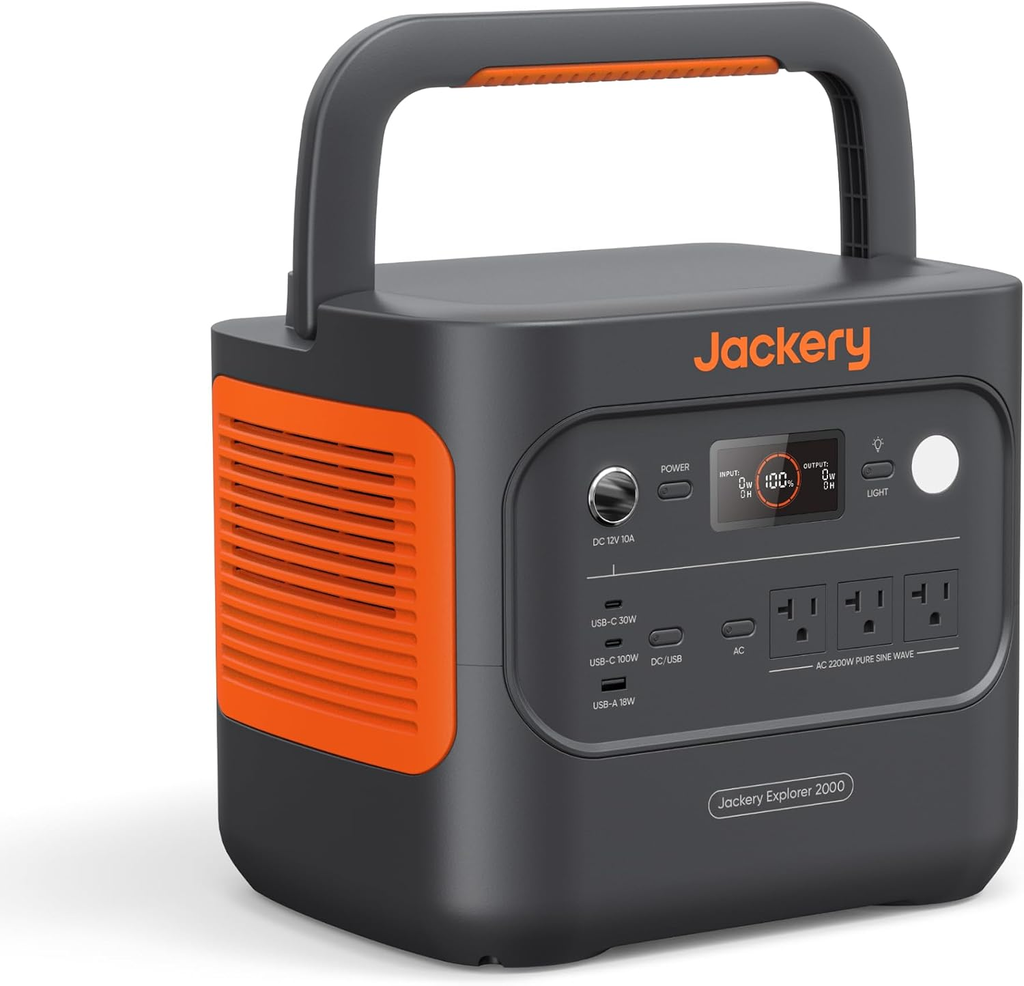
When you connect a device, the power station releases stored energy through various output ports, including:
- AC wall outlets
- USB-A ports
- USB-C ports
- DC outputs
- 12V car sockets
This allows you to power or charge multiple devices simultaneously.
Key Components Inside a Portable Power Station
Battery Pack
The battery stores the electrical energy.
For example:
- 500Wh battery = stores approximately 500 watt-hours of electricity
- 1000Wh battery = stores approximately 1000 watt-hours
The larger the capacity, the longer it can power devices.
Battery Management System (BMS)
A Battery Management System acts as the station’s safety controller.
It helps protect against:
- Overcharging
- Over-discharging
- Overheating
- Short circuits
- Excessive current draw
Inverter
Most batteries store power as DC (Direct Current) electricity.
Many household devices require AC (Alternating Current) electricity.
The inverter converts:
Battery (DC) → Household Power (AC)
Without an inverter, you couldn’t plug appliances into standard AC outlets.
Charge Controller
The charge controller regulates incoming electricity and ensures the battery is charged safely and efficiently.
This component is especially important when using solar panels.
How Power Flows Through a Portable Power Station
Wall Outlet / Solar Panel / Car Charger
↓
Charge Controller
↓
Battery
↓
Battery Management System
↓
Inverter
↓
AC Outlets / USB Ports / DC Ports
↓
Your Devices
Example: Powering a Laptop
Let’s say you have:
- Portable power station: 500Wh
- Laptop consumption: 50W
Runtime calculation:
500Wh ÷ 50W = 10 hours
In real-world use, inverter losses reduce efficiency slightly, so you may get around 8-9 hours of runtime.
How Solar Charging Works
Many portable power stations support solar charging.
The process looks like this:
Sunlight
↓
Solar Panel
↓
Charge Controller
↓
Portable Power Station Battery
↓
Connected Devices
This makes portable power stations ideal for:
- Camping
- RV travel
- Off-grid living
- Emergency preparedness
Portable Power Station vs Generator
| Feature | Portable Power Station | Gas Generator |
|---|---|---|
| Fuel Required | No | Yes |
| Noise | Silent | Loud |
| Indoor Use | Safe | Unsafe |
| Emissions | None | Produces fumes |
| Maintenance | Minimal | Regular |
| Solar Charging | Yes | No |
Common Uses
Portable power stations are commonly used for:
- Camping trips
- Home backup power
- Power outages
- Remote work
- Van life and RV travel
- Outdoor events
- Emergency preparedness
Final Thoughts
A portable power station works by storing electricity in a rechargeable battery, managing it through intelligent electronics, and delivering it through AC, USB, or DC outputs whenever power is needed. Unlike traditional generators, it operates quietly, produces no emissions, and can even be recharged using solar panels, making it one of the most versatile backup power solutions available today.