
In a world increasingly dependent on electronic devices, reliable power is more important than ever. Whether you’re camping in the wilderness, preparing for emergencies, working remotely, or looking for a backup power solution for your home, a portable power station can be a game-changer.
But what exactly is a portable power station, and how does it work? In this guide, we’ll break down everything you need to know.
A portable power station is a rechargeable battery-powered device that stores electricity and provides power for various electronic devices and appliances when traditional power sources are unavailable.
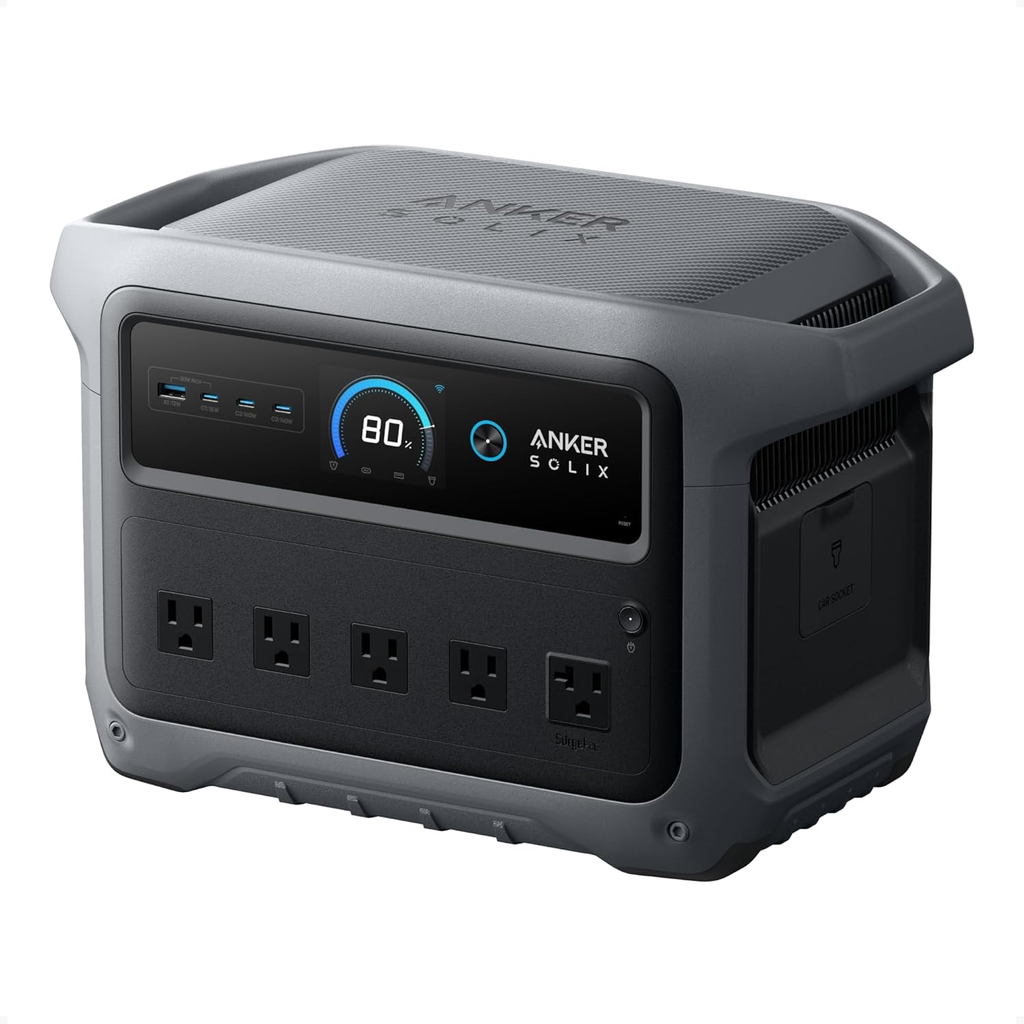
Think of it as a large, advanced power bank. While a standard power bank is designed primarily for phones and tablets, a portable power station can power larger devices such as:
- Laptops
- Smartphones
- Tablets
- TVs
- Mini refrigerators
- CPAP machines
- Fans
- Routers
- Cameras
- Small kitchen appliances
- Power tools
Most portable power stations include multiple output options, making them versatile for different applications.
How Does a Portable Power Station Work?
A portable power station works by storing electrical energy in a rechargeable battery and then converting that stored energy into usable power when needed.
The process is simple:
Step 1: Charge the Battery
You recharge the power station using:
- A wall outlet
- Solar panels
- A car charger
- A generator
Step 2: Store Energy
The internal battery stores the electricity until it’s needed.
Step 3: Power Your Devices
Connect your devices using:
- AC wall outlets
- USB-A ports
- USB-C ports
- DC outputs
- Car charging ports
The built-in inverter converts battery power into the appropriate form required by your electronics.
Components of a Portable Power Station
Understanding the key components helps you choose the right model.
Battery Pack
The battery is the heart of the power station.
Common battery types include:
- Lithium-ion batteries
- Lithium iron phosphate (LiFePO4) batteries
LiFePO4 batteries are becoming increasingly popular because they offer longer lifespans and improved safety.
Inverter
The inverter converts battery power into standard AC electricity for household devices.
Charge Controller
This regulates incoming power during charging and protects the battery from damage.
Output Ports
Most power stations include:
- AC outlets
- USB-A ports
- USB-C PD ports
- 12V DC ports
- Car sockets
Display Screen
Many models provide useful information such as:
- Battery percentage
- Input wattage
- Output wattage
- Estimated runtime
Portable Power Station vs. Power Bank
Many people confuse portable power stations with power banks.
| Feature | Portable Power Station | Power Bank |
|---|---|---|
| Battery Capacity | Very High | Low to Medium |
| AC Outlets | Yes | Usually No |
| Power Appliances | Yes | Limited |
| Solar Charging | Often Supported | Rare |
| Weight | Heavier | Lightweight |
| Use Case | Home Backup, Camping, RVs | Phones and Tablets |
If you only need to charge a smartphone, a power bank may be sufficient. However, if you need to run multiple devices or household equipment, a portable power station is the better choice.
Common Uses for Portable Power Stations
Camping and Outdoor Adventures
Portable power stations are popular among campers because they provide electricity without the noise and fumes associated with generators.
You can use them to power:
- Camping lights
- Portable refrigerators
- Smartphones
- GPS devices
- Cameras
Emergency Backup Power
Power outages can disrupt communication and daily activities.
A portable power station can keep essential devices running during emergencies, including:
- Phones
- Internet routers
- Medical equipment
- Lighting
Remote Work
Many remote workers use portable power stations to keep devices operational during power interruptions.
RV and Van Life
Portable power stations provide a clean and quiet power source for life on the road.
Home Energy Storage
Some users combine portable power stations with solar panels to create an environmentally friendly backup power solution.
Advantages of Portable Power Stations
Quiet Operation
Unlike traditional generators, portable power stations operate silently.
Zero Fuel Required
No gasoline or diesel is needed.
Easy to Use
Most models require no technical knowledge.
Environmentally Friendly
When paired with solar panels, they provide renewable energy.
Portable and Compact
Many units feature built-in handles for easy transportation.
Indoor Safe
Since there are no emissions, portable power stations can be safely used indoors.
Limitations of Portable Power Stations
While they offer many benefits, portable power stations have some limitations.
Limited Runtime
Eventually the battery will need recharging.
Higher Upfront Cost
Quality models can be more expensive than small generators.
Not Ideal for Large Appliances
Most portable power stations cannot continuously run high-demand appliances such as:
- Central air conditioning systems
- Electric water heaters
- Large ovens
Always check wattage ratings before connecting appliances.
How to Choose the Right Portable Power Station
When comparing models, consider the following factors:
Battery Capacity (Wh)
Battery capacity determines how much energy the power station can store.
General guide:
- 200-500Wh: Small devices
- 500-1,000Wh: Camping and laptops
- 1,000-2,000Wh: Home backup
- 2,000Wh+: Heavy-duty applications
Power Output (Watts)
Ensure the power station can handle your devices’ power requirements.
Battery Type
LiFePO4 batteries offer:
- Longer lifespan
- Better thermal stability
- More charging cycles
Charging Speed
Look for fast charging support if quick recharging is important.
Solar Compatibility
Useful for off-grid activities and emergency preparedness.
Number of Ports
Make sure the unit has enough outputs for your devices.
Are Portable Power Stations Worth It?
For many users, the answer is yes.
A portable power station offers:
- Convenience
- Emergency preparedness
- Clean energy
- Quiet operation
- Reliable backup power
Whether you’re an outdoor enthusiast, frequent traveler, remote worker, or homeowner preparing for emergencies, a portable power station can provide valuable peace of mind.
Frequently Asked Questions
Can a portable power station power a refrigerator?
Many medium and large portable power stations can run a refrigerator for several hours, depending on battery capacity and the appliance’s power consumption.
Can I charge a portable power station with solar panels?
Yes. Most modern portable power stations support solar charging when paired with compatible solar panels.
How long do portable power stations last?
Battery lifespan varies by technology, but quality lithium-based units can last several years with proper care.
Can a portable power station replace a generator?
For many small and medium power needs, yes. However, generators are still better suited for extended operation of high-power appliances.
Final Thoughts
A portable power station is essentially a large rechargeable battery system designed to provide electricity wherever you need it. Unlike traditional generators, it operates quietly, requires no fuel, and can safely be used indoors. Whether you’re camping, traveling, working remotely, or preparing for unexpected power outages, a portable power station offers a convenient and reliable source of power for modern life.
As battery technology continues to improve, portable power stations are becoming one of the most practical and eco-friendly energy solutions available today.