
When shopping for a portable power station, solar generator, RV battery, or home backup system, you’ll often encounter two battery technologies: LiFePO4 (Lithium Iron Phosphate) and Lithium-Ion (typically NMC – Nickel Manganese Cobalt).
While both offer significant advantages over traditional lead-acid batteries, they differ in lifespan, safety, performance, weight, and cost. Understanding these differences can help you choose the right battery for your needs.
In this comprehensive guide, we’ll compare LiFePO4 vs Lithium Ion batteries across every important category.
Quick Answer: LiFePO4 vs Lithium-Ion
If you want the short answer:
- Choose LiFePO4 if you prioritize battery lifespan, safety, frequent use, and long-term value.
- Choose Lithium-Ion (NMC) if you prioritize lightweight design, compact size, and lower upfront costs.
For most modern portable power stations and solar backup systems, LiFePO4 is now considered the superior technology.
What Is a LiFePO4 Battery?
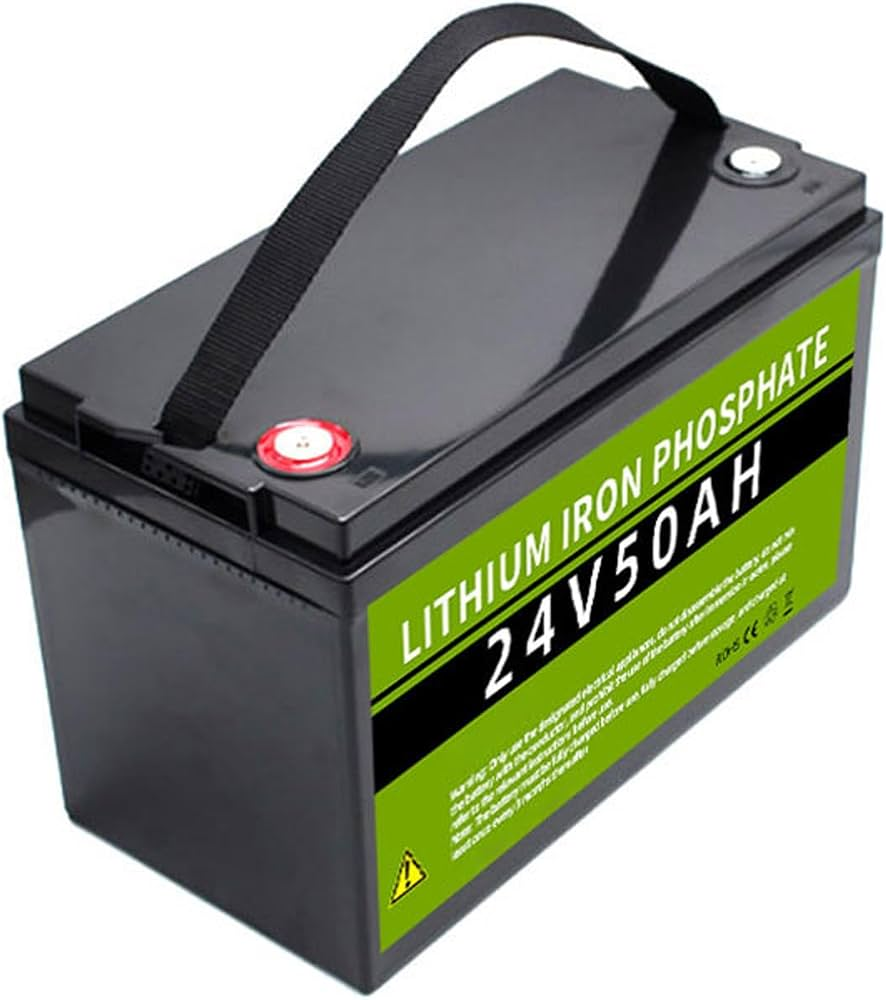
LiFePO4 stands for Lithium Iron Phosphate.
This battery chemistry uses iron phosphate as the cathode material, resulting in exceptional thermal stability and durability.
Popular LiFePO4-powered products include:
- EcoFlow River 2 Series
- Bluetti AC180
- Anker SOLIX F2000
- Jackery Explorer 1000 Plus
- EcoFlow Delta 2
Key Characteristics
Long lifespan
Excellent safety
Stable performance
Low degradation
Ideal for daily use
What Is a Lithium-Ion Battery?
The term “Lithium-Ion” often refers to NMC batteries (Nickel Manganese Cobalt) in consumer electronics and older portable power stations.
These batteries are widely used in:
- Smartphones
- Laptops
- Drones
- Electric vehicles
- Early portable power stations
Examples include:
- Jackery Explorer 300
- Jackery Explorer 500
- Goal Zero Yeti Lithium Models
Key Characteristics
Lightweight
High energy density
Compact design
Lower manufacturing cost
LiFePO4 vs Lithium-Ion: Key Differences
| Feature | LiFePO4 | Lithium-Ion (NMC) |
|---|---|---|
| Lifespan | 3,000-6,000+ Cycles | 500-1,000 Cycles |
| Safety | Excellent | Good |
| Thermal Stability | Very High | Moderate |
| Energy Density | Lower | Higher |
| Weight | Heavier | Lighter |
| Charging Speed | Fast | Fast |
| Maintenance | Minimal | Minimal |
| Cost | Higher Upfront | Lower Upfront |
| Long-Term Value | Excellent | Moderate |
| Environmental Impact | Better | Moderate |
Battery Lifespan Comparison
Battery lifespan is often the biggest differentiator.
LiFePO4 Lifespan
Most LiFePO4 batteries can achieve:
- 3,000 cycles
- 4,000 cycles
- 6,000+ cycles
before reaching 80% of original capacity.
Example
If you cycle a LiFePO4 battery once every day:
- 3,000 cycles ÷ 365 days
- = approximately 8 years
Many premium systems exceed 10 years of practical use.
Lithium-Ion Lifespan
Traditional NMC batteries usually offer:
- 500 to 1,000 charge cycles
before noticeable capacity degradation occurs.
Daily usage may reduce effective lifespan to:
- 2-4 years
depending on charging habits and temperature conditions.
Winner: LiFePO4 ✅
Safety Comparison
Battery safety has become increasingly important, especially for home backup power and indoor use.
LiFePO4 Safety Advantages
LiFePO4 batteries:
- Resist thermal runaway
- Operate at lower temperatures
- Are less likely to overheat
- Perform better in high-temperature environments
Because of these characteristics, LiFePO4 has become the preferred choice for:
- Home battery systems
- RV power systems
- Solar energy storage
- Portable power stations
Lithium-Ion Safety Considerations
NMC batteries are generally safe when properly managed.
However, they:
- Generate more heat
- Have greater thermal sensitivity
- Require more advanced battery management systems
Winner: LiFePO4 ✅
Energy Density and Weight
Energy density refers to how much energy a battery can store relative to its size and weight.
Lithium-Ion Advantage
NMC batteries store more energy per pound.
As a result:
- Lighter products
- Smaller products
- Better portability
Example:
Two batteries with identical capacities may show:
- NMC battery weight: 20 lbs
- LiFePO4 battery weight: 24 lbs
LiFePO4 Trade-Off
LiFePO4 batteries are:
- Larger
- Heavier
But this difference has become less significant as technology improves.
Winner: Lithium-Ion ✅
Charging Speed
Modern battery management systems have made charging speed less dependent on chemistry alone.
LiFePO4
Many current power stations offer:
- 0-80% charge in under one hour
- Full charge in 1-2 hours
Examples:
- EcoFlow Delta 2
- Bluetti AC180
- Anker SOLIX Series
Lithium-Ion
Traditional NMC batteries also support relatively fast charging but often at lower sustained rates.
Today, charging speed differences are generally minimal.
Winner: Tie 🤝
Temperature Performance
LiFePO4 Batteries
Strengths:
- Better heat resistance
- Stable operation in warm climates
- Lower fire risk
Weaknesses:
- Reduced charging performance in freezing conditions
Lithium-Ion Batteries
Strengths:
- Better cold-weather charging performance
Weaknesses:
- More sensitive to heat
Winner
- Hot climates: LiFePO4 ✅
- Cold climates: Lithium-Ion ✅
Cost Comparison
Initial Purchase Cost
Historically:
LiFePO4 batteries cost more because of:
- More durable materials
- Advanced manufacturing processes
Example:
| Battery Type | Approximate Cost |
|---|---|
| Lithium-Ion | Lower |
| LiFePO4 | Higher |
Long-Term Cost
This is where LiFePO4 becomes attractive.
Example:
A battery rated for:
- 500 cycles
- 3000 cycles
The LiFePO4 battery may last six times longer.
Over its lifetime, the cost per cycle is dramatically lower.
Winner: LiFePO4 ✅
Environmental Impact
LiFePO4 batteries use:
- Iron
- Phosphate
rather than large amounts of cobalt and nickel.
Benefits include:
- Lower environmental concerns
- Improved material availability
- Reduced ethical mining issues
Winner: LiFePO4 ✅
LiFePO4 vs Lithium-Ion for Portable Power Stations
For portable power stations, LiFePO4 has become the dominant battery technology.
Best LiFePO4 Power Stations
- EcoFlow Delta 2
- EcoFlow River 2 Pro
- Bluetti AC180
- Bluetti AC200MAX
- Anker SOLIX F2000
- Jackery Explorer 1000 Plus
Best Lithium-Ion Power Stations
- Jackery Explorer 300
- Jackery Explorer 500
- Goal Zero Yeti 500X
For buyers purchasing a new power station today, LiFePO4 is generally the smarter long-term investment.
LiFePO4 vs Lithium-Ion for Solar Storage
Solar systems regularly charge and discharge batteries every day.
Because of this:
- Cycle life matters significantly.
- Battery degradation matters significantly.
LiFePO4 handles daily solar cycling much better than traditional lithium-ion batteries.
Recommended Choice
✅ LiFePO4
LiFePO4 vs Lithium-Ion for RVs
RV owners frequently:
- Camp off-grid
- Charge via solar
- Recharge daily
The extended lifespan and safety advantages of LiFePO4 make it the preferred RV battery technology.
Recommended Choice
✅ LiFePO4
Frequently Asked Questions
Is LiFePO4 better than Lithium-Ion?
For most applications involving portable power stations, solar energy storage, RVs, and home backup systems, LiFePO4 is generally better due to its longer lifespan, superior safety, and lower long-term cost.
Why are LiFePO4 batteries more expensive?
They cost more upfront because of manufacturing expenses and their longer service life. However, they often provide better value over time.
Do LiFePO4 batteries last longer?
Yes. Most LiFePO4 batteries offer 3,000 to 6,000 cycles, compared to 500 to 1,000 cycles for traditional lithium-ion batteries.
Can LiFePO4 replace Lithium-Ion?
In many applications, yes. This is why most new portable power stations launched in recent years use LiFePO4 chemistry.
Final Verdict
When comparing LiFePO4 vs Lithium-Ion batteries, there is a clear winner for most power station buyers.
Choose LiFePO4 If You Want:
Maximum lifespan
Superior safety
Better solar battery performance
Daily charging and discharging
Long-term value
Choose Lithium-Ion If You Want:
The lightest possible battery
Compact designs
Lower upfront costs
Occasional use