
When the power goes out, you’re camping off-grid, or working at a remote location, having a reliable source of electricity becomes essential. Two of the most popular options are portable power stations and traditional generators. While both provide backup power, they differ significantly in how they operate, their costs, maintenance requirements, and ideal use cases.
In this guide, we’ll compare portable power stations and generators side by side to help you choose the best solution for your needs.
What Is a Portable Power Station?
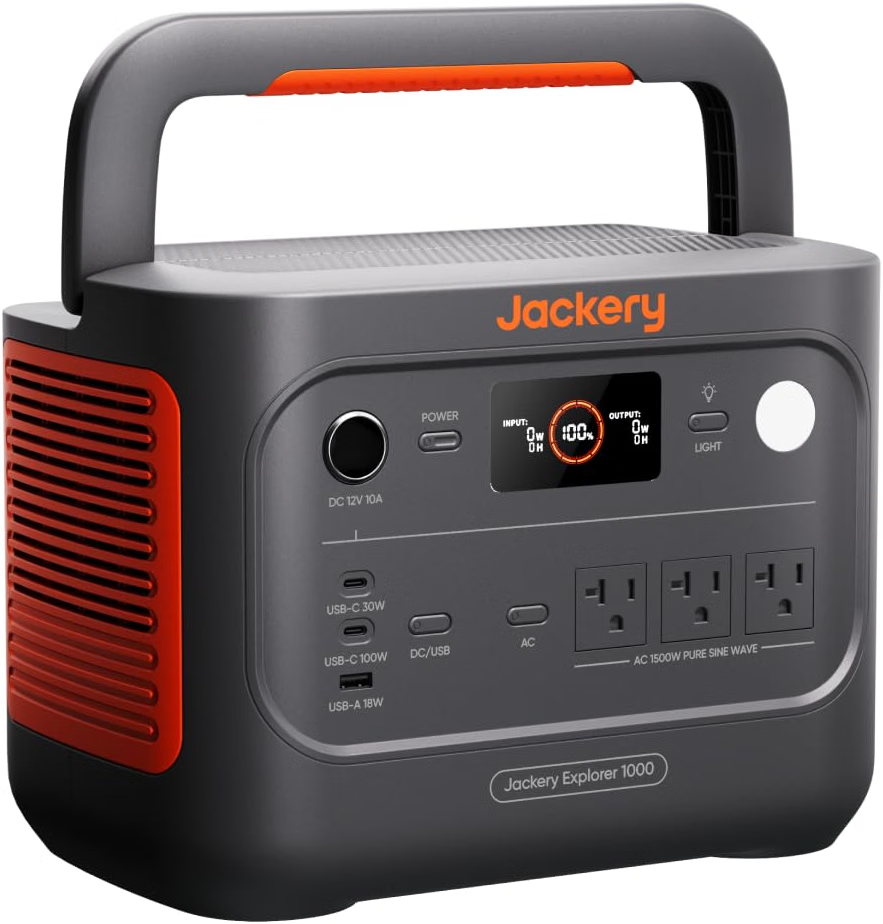
A portable power station is a rechargeable battery-powered device that stores electricity and delivers it through AC outlets, USB ports, and DC outputs.
Most modern power stations use lithium-ion or LiFePO4 batteries and can be charged via:
- Wall outlets
- Solar panels
- Car chargers
- Generator AC outlets
Popular brands include EcoFlow, Jackery, Bluetti, Anker SOLIX, and Goal Zero.
Key Features
✅ Battery-powered
✅ Quiet operation
✅ Zero emissions
✅ Indoor-safe
✅ Solar-compatible
✅ Minimal maintenance
What Is a Generator?
A generator produces electricity by converting fuel into electrical energy through an engine-driven alternator.
Generators commonly run on:
- Gasoline
- Propane
- Diesel
- Natural gas
Popular brands include Honda, Generac, Champion, Westinghouse, and DuroMax.
Key Features
✅ High power output
✅ Long runtime with fuel refills
✅ Suitable for heavy appliances
✅ Lower upfront cost per watt
Portable Power Station vs Generator: Quick Comparison
| Feature | Portable Power Station | Generator |
|---|---|---|
| Power Source | Battery | Gasoline, Diesel, Propane |
| Noise Level | Nearly Silent | Loud (50-90 dB) |
| Indoor Use | Safe | Unsafe |
| Emissions | None | Produces Exhaust |
| Maintenance | Minimal | Regular Maintenance |
| Fuel Requirement | None | Ongoing Fuel Costs |
| Solar Charging | Yes | No |
| Runtime | Limited by Battery Capacity | Can Run Indefinitely with Fuel |
| Startup | Instant | Manual or Electric Start |
| Portability | Excellent | Moderate |
| Heavy Appliance Support | Limited | Excellent |
Power Output Comparison
One of the biggest deciding factors is power output.
Portable Power Stations
Typical power ranges:
- Small: 200W-500W
- Mid-size: 500W-2,000W
- Large: 2,000W-6,000W+
Examples:
- EcoFlow Delta Pro: 3,600W
- Bluetti AC300: 3,000W
- Anker SOLIX F3800: 6,000W
These systems can power:
- Laptops
- Smartphones
- CPAP machines
- TVs
- Refrigerators
- Some portable air conditioners
Generators
Typical power ranges:
- Portable generators: 2,000W-10,000W
- Whole-home generators: 10,000W-26,000W+
These systems can power:
- Central air conditioning
- Water pumps
- Electric ranges
- Large workshops
- Entire homes
Winner: Generator
Noise Levels
Noise is often overlooked until you’re camping or dealing with an overnight power outage.
Portable Power Stations
Most units produce:
- 0-30 dB
The only noise comes from cooling fans under heavy loads.
Generators
Most generators produce:
- 50-90 dB
This is roughly comparable to:
- Lawn mowers
- Vacuum cleaners
- Motorcycles
Winner: Portable Power Station
Environmental Impact
Portable Power Stations
Benefits include:
- Zero emissions
- No fuel consumption
- Solar charging capability
- Reduced carbon footprint
Generators
Drawbacks include:
- Carbon monoxide emissions
- Fossil fuel consumption
- Fuel transportation and storage
Winner: Portable Power Station
Runtime Comparison
Runtime depends on battery size or fuel availability.
Portable Power Station Example
A 2,000Wh power station running:
- 100W TV = 20 hours
- 60W CPAP = 33 hours
- 1,000W microwave = 2 hours
Once depleted, the station must recharge.
Generator Example
A generator can continue running indefinitely as long as fuel is available.
This makes generators particularly useful during:
- Multi-day blackouts
- Construction projects
- Disaster recovery situations
Winner: Generator
Safety Considerations
Portable Power Stations
Generally very safe because they:
- Produce no exhaust fumes
- Require no fuel storage
- Can be used indoors
- Have built-in battery management systems
Generators
Generators must:
- Remain outdoors
- Stay away from windows and doors
- Be protected from rain
- Be properly grounded when required
Improper operation can result in carbon monoxide poisoning.
Winner: Portable Power Station
Maintenance Requirements
Portable Power Stations
Maintenance is minimal:
- Keep batteries charged
- Update firmware when available
- Store in moderate temperatures
Generators
Require ongoing maintenance:
- Oil changes
- Spark plug replacement
- Fuel stabilizers
- Air filter cleaning
- Engine inspections
Winner: Portable Power Station
Cost Comparison
Portable Power Stations
Approximate price ranges:
| Capacity | Price Range |
|---|---|
| 300Wh-500Wh | $200-$500 |
| 1,000Wh-2,000Wh | $700-$2,000 |
| 3,000Wh+ | $2,000-$6,000+ |
Generators
Approximate price ranges:
| Generator Type | Price Range |
|---|---|
| Portable Generator | $300-$2,000 |
| Inverter Generator | $500-$3,000 |
| Whole-House Generator | $5,000-$15,000+ |
While generators are often cheaper upfront per watt, fuel and maintenance costs can add up over time.
Best Use Cases for Portable Power Stations
Choose a portable power station if you need:
- Camping power
- RV travel
- Van life setups
- CPAP backup
- Apartment emergency power
- Indoor backup power
- Clean solar energy storage
- Quiet operation
Ideal Users
- Campers
- Digital nomads
- RV owners
- Apartment dwellers
- Homeowners seeking silent backup power
Best Use Cases for Generators
Choose a generator if you need:
- Whole-home backup
- Construction site power
- Long-duration outages
- High-powered tools
- Central air conditioning support
- Continuous operation
Ideal Users
- Homeowners in storm-prone regions
- Contractors
- Rural property owners
- Small business operators
Can You Use Both Together?
Yes.
Many homeowners now use a hybrid backup system:
- Portable power station for essential indoor devices
- Generator for battery recharging and heavy loads
This setup provides:
- Quiet nighttime operation
- Lower fuel consumption
- Extended runtime during emergencies
It’s becoming an increasingly popular backup strategy for hurricane and wildfire preparedness.
Frequently Asked Questions
Is a portable power station better than a generator?
For convenience, safety, and quiet operation, portable power stations are often better. For long-duration outages and high-powered appliances, generators still have the advantage.
Can a portable power station run a refrigerator?
Yes. Most power stations with at least 1,000W output and 1,000-2,000Wh capacity can run a refrigerator for several hours.
Can a portable power station replace a generator?
For camping, RV use, and short outages, it often can. For whole-home backup and extended emergencies, a generator remains the better solution.
Which is cheaper to own?
Portable power stations typically have lower lifetime operating costs because they don’t require fuel, oil changes, or engine maintenance.
Final Verdict
The choice between a portable power station and a generator depends on your power needs.
- Choose a portable power station if you want silent, maintenance-free, eco-friendly power for camping, travel, remote work, or short-term emergencies.
- Choose a generator if you need maximum power output, extended runtimes, and the ability to run large household appliances during prolonged outages.
For many households, the best solution is a combination of both: a portable power station for daily convenience and a generator for serious emergency preparedness.
Bottom Line: Portable power stations win for convenience, safety, and sustainability, while generators remain the top choice for raw power and unlimited runtime.